
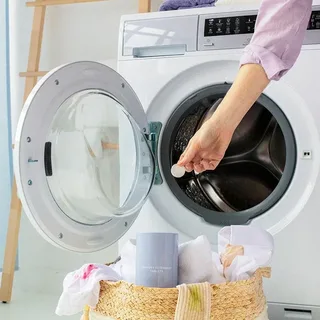
In Southern California, water conservation isn’t just an environmental concern — it’s a practical one. South Gate families and households deal with high utility costs, and laundry is one of the most resource-intensive household tasks when done inefficiently.
The good news: small changes to how you do laundry can meaningfully reduce your water usage, lower your electricity bill, and make your clothes last longer — all at the same time.
Our team at Cleaning Pro 1 works with South Gate households every day. Here’s what we recommend.
1. Switch to Cold Water Washing
Heating water accounts for about 90% of the energy used in a standard washing machine cycle. Switching from hot to cold water for most loads cuts that energy cost dramatically — and modern cold-water detergents are formulated to clean just as effectively.
Cold water is also better for most fabrics, preserving color and reducing shrinkage. It’s one of the simplest changes with the biggest combined impact.
2. Run Full Loads
Your washing machine uses roughly the same amount of water whether it’s half-full or completely full. Running half-loads doubles your water and energy usage per item of clothing washed.
If you have a smaller household, wait until you have a full load before running the machine, or adjust the water level setting if your washer allows it.
3. Choose the Right Cycle Length
Not everything needs a full-length heavy-duty wash. Light clothing worn for just a few hours doesn’t need the same treatment as heavily soiled work clothes or sports gear.
- Quick wash (15–30 min): Light daily wear with no stains or heavy soil
- Normal cycle (45–60 min): Most everyday laundry
- Heavy or intense cycle (60–90 min): Work clothes, towels, heavily soiled items
Using the quick cycle when appropriate can cut water use per load by 30–40%.
4. Air Dry When Possible
Dryers are one of the most energy-hungry appliances in the home. In South Gate’s climate — with warm, dry air for much of the year — air drying outdoors or on a drying rack works well for most clothing types.
Even if you can’t fully air-dry everything, using the dryer only for the final 10–15 minutes after most of the moisture has evaporated saves significant energy.
5. Choose Concentrated, Eco-Certified Detergents
Concentrated detergents require smaller amounts per wash, which means less plastic packaging, less chemical runoff into the water system, and lower cost per load.
Look for detergents with third-party certifications like EPA Safer Choice or EWG Verified. These products are formulated to clean effectively while being safer for aquatic ecosystems when they enter the water supply.
Avoid detergents with phosphates — these are harmful to waterways and still found in some cheaper products.
6. Skip the Dryer Sheets
Conventional dryer sheets deposit a film on fabric over time that reduces moisture-wicking performance and can irritate sensitive skin. They’re also not recyclable.
Reusable wool dryer balls are a better alternative — they reduce static, shorten dry time by allowing better air circulation, and last for years. You can add a few drops of essential oil to them for scent.
7. Maintain Your Washer for Efficiency
A washing machine that isn’t well-maintained uses more water and energy and cleans less effectively. A few simple maintenance steps:
- Clean the drum monthly: Run an empty hot cycle with two cups of white vinegar to remove detergent buildup and bacteria.
- Clean the lint filter or drain pump filter regularly — a clogged filter makes the machine work harder.
- Check door seals on front-loaders: Mold grows quickly in these areas and causes musty odors in clothing. Wipe dry after each use and leave the door ajar.
- Descale if you have hard water: Limescale buildup reduces efficiency and shortens machine life.
When Professional Cleaning Is the Greener Choice
There’s an environmental argument for professional laundry services that often gets overlooked: large industrial washers are significantly more water-efficient per kilogram of laundry than home machines. They also use commercial detergents in precise measured quantities, avoiding the overuse that’s common at home.
For large items like comforters, heavy blankets, and oversized bedding — which require multiple home wash cycles or repeated attempts — is often the more resource-efficient option.
We’re based at 10309 Atlantic Ave, South Gate, CA and use eco-friendly products where possible. Call us at 562-215-7075 to find out what we can handle for your household.
You may also be interested in our — another area where eco-friendly products and techniques make a big difference.