

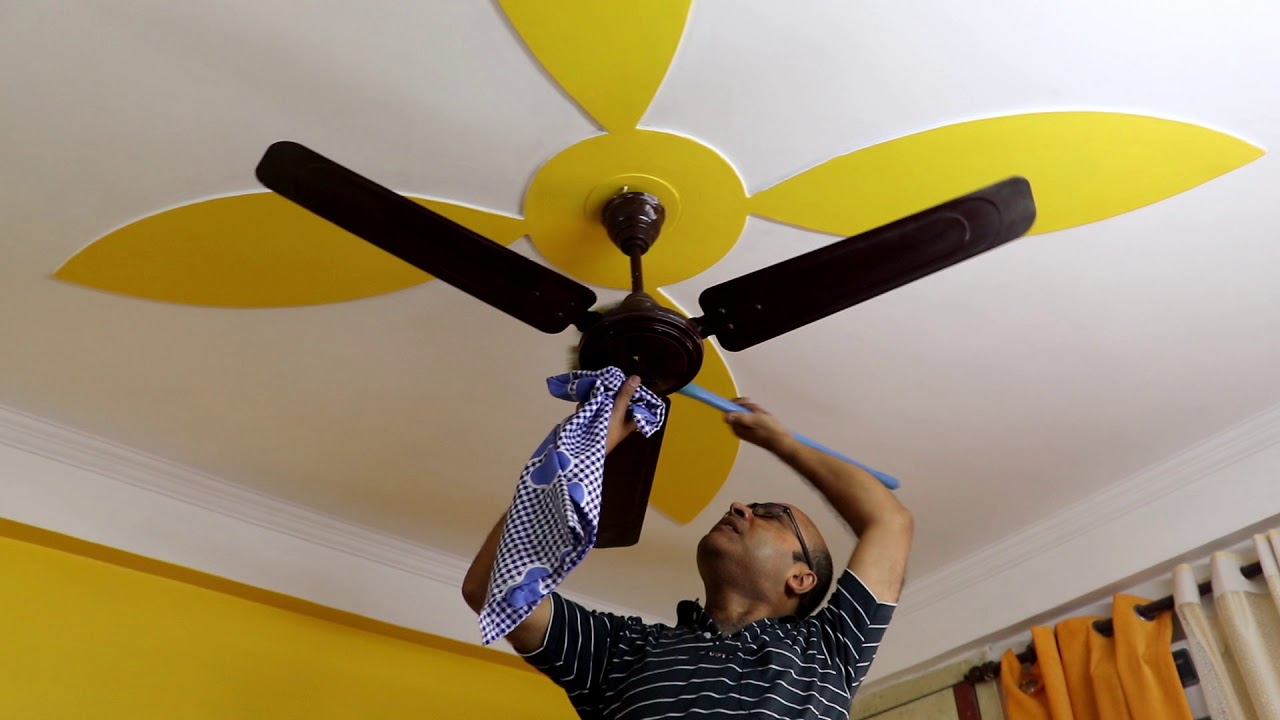
Ceiling fans are one of those things that most people clean wrong. The usual approach — swiping a dry cloth across the blades — sends a cloud of dust directly onto the floor, furniture, and everything else below. If you have ever turned on a ceiling fan that had not been cleaned in a while and wondered why a haze of gray settled over the room, the blade dust is the cause.
There is a better method. It takes about the same amount of time, and it actually removes the dust instead of redistributing it.
Why Ceiling Fan Blades Get So Dusty
Ceiling fan blades collect dust faster than almost any other surface in the home. The reason is physics. When a fan runs, it creates a small electrical charge across the blade surfaces from static electricity. Dust particles in the air are attracted to that charge and adhere to the blade.
On top of that, the upper surface of the blade (which faces the ceiling) never gets wiped down during routine cleaning. Dust collects there undisturbed for months, building into a thick layer that drops when the fan is used.
In South Gate and the greater Los Angeles area, dry conditions and the amount of particulate matter in the air mean that ceiling fans accumulate dust faster than in more humid climates.
What You Need
- A pillowcase (old one you do not mind getting dusty)
- Microfiber cloth
- All-purpose cleaner or a 1:1 mixture of white vinegar and water
- Step stool or ladder
- Optional: long-handled microfiber duster
The Pillowcase Method (Best for Heavy Dust)
This method contains the dust completely rather than letting it fall.
Step 1: Turn off the fan and let the blades come to a complete stop.
Step 2: Slip the open end of a pillowcase over one blade.
Step 3: Squeeze the sides of the pillowcase together around the blade as you slowly pull it back. The dust falls into the pillowcase instead of onto the room below.
Step 4: Repeat for each blade.
Step 5: Shake the pillowcase into a trash bag or outdoor area. Wash the pillowcase.
This method takes about two minutes per fan and produces significantly better results than a dry cloth wipe.
After the Dust: Wiping Down the Blades
Once the bulk of the dust is gone, spray a microfiber cloth with your all-purpose cleaner or vinegar solution (not the blade directly — this prevents drips). Wipe each blade from the mounting end toward the tip on both the top and bottom surfaces.
For blades that feel sticky or have a buildup from cooking grease (this is common on ceiling fans in kitchens or open-plan spaces where the kitchen is nearby), use a degreaser spray on the cloth. The greasy film on kitchen ceiling fan blades is what makes them collect dust so aggressively — grease is a far better dust trap than a clean surface.
Cleaning the Fan Motor Housing and Light Fixture
While you are up there, wipe down the motor housing — the central body of the fan. This accumulates dust on top and often has buildup in the vents.
For fans with light fixtures:
- Unscrew or remove the light cover/globe
- Wash it in warm soapy water, rinse, and dry completely before reattaching
- Wipe the fixture base and any exposed bulbs (ensure the bulbs are cool first)
How Often Should You Clean Ceiling Fans?
As a general guideline:
- Monthly wipe-down: A quick microfiber pass every four weeks prevents heavy buildup.
- Full clean (both sides of blades + fixture): Every two to three months.
- Deep clean before seasons: Before summer when you will run the fan daily, and before winter when you might reverse the blade direction.
If you have pets, live near a dusty road, or run the fan continuously, monthly full cleans are more realistic.
Ceiling Fans in the Context of Whole-Home Cleaning
Ceiling fans are part of the cleaning tasks that tend to be skipped during routine cleaning because they require a step stool and take a bit more effort. The same applies to window tracks, baseboards, and the tops of cabinets.
If you are scheduling regular professional cleaning for your home, make sure to specify that ceiling fans, baseboards, and high surfaces are included. These are the areas that accumulate the most grime between visits.
For homes in South Gate that need a consistent cleaning routine, a home cleaning service that covers these overlooked areas makes a noticeable difference in overall air quality. Dust from ceiling fans and high surfaces contributes to indoor air quality, not just appearance.
Frequently Asked Questions
Why does my ceiling fan smell when I turn it on after a long time?
Dust that has collected on the motor housing and blade surfaces can produce a burning smell when the fan first runs after a long period. This usually dissipates within a few minutes. Cleaning the fan before the start of the season prevents this.
Can I use water to clean ceiling fan blades?
Yes, but do not spray liquid directly onto the blades or motor. Dampen a cloth and wipe. Excessive moisture near the motor can cause damage over time.
What is the best direction for ceiling fans in summer vs winter?
In summer, counterclockwise (when viewed from below) creates a downdraft that feels cool. In winter, clockwise at low speed pushes warm air that has risen to the ceiling back down. Most fans have a direction switch on the motor housing.
How do I clean a ceiling fan I cannot reach easily?
A long-handled microfiber duster with a flexible head can remove surface dust without a ladder. For a full clean, a secure step stool or ladder is safer than trying to extend a duster at an awkward angle.