
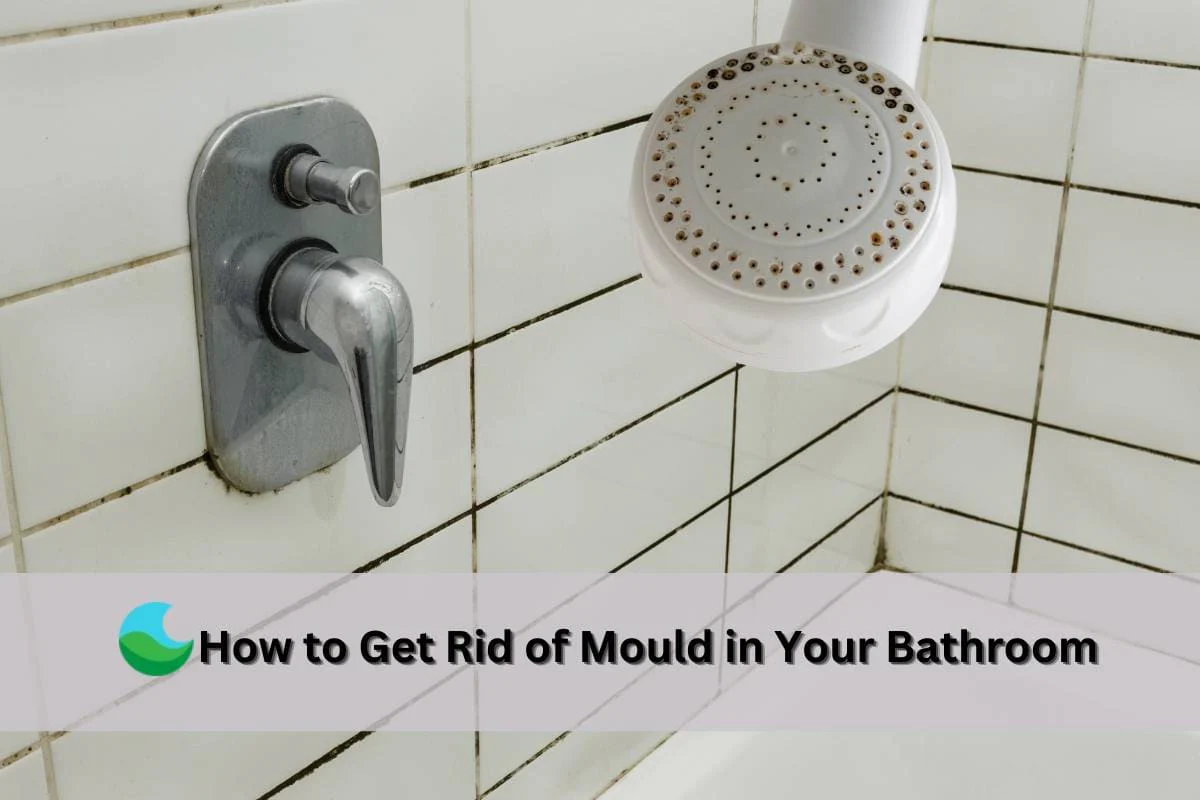
Bathroom mold is a common problem in Southern California. You might expect it more in humid, rainy climates, but South Gate homes deal with it too. The hot showers, limited ventilation in older homes, and the way tile and grout absorb moisture create the right conditions for mold to grow year-round.
The good news is that most bathroom mold is surface-level and manageable. The key is acting quickly and using the right approach for the surface type.
Is That Mold or Just Soap Scum?
Before you treat it, it helps to identify what you are actually looking at.
Soap scum appears as a white or light gray film on tile, glass, and fixtures. It has a flat, chalky texture. It wipes away with a degreaser and some scrubbing.
Mildew is the early stage of mold growth — usually gray or white, powdery in appearance, and found on grout lines and caulk. It has a musty smell. It is the easiest type to treat.
Mold is darker (black, green, or brown), often fuzzy in texture, and tends to appear in corners, along caulk lines, and on grout. It has a stronger musty odor. Surface mold on tile and grout can be treated with household products. Mold that has penetrated behind tile or into walls requires professional remediation.
What Causes Mold in South Gate Bathrooms
The core cause of bathroom mold is moisture that does not dry out fast enough. Several factors contribute:
Poor ventilation: Many homes in South Gate were built in an era when bathroom ventilation was minimal. Exhaust fans may be undersized, poorly positioned, or simply not used.
Hot showers: Hot water produces more steam than warm or cool water. Without adequate ventilation, steam condenses on every surface in the bathroom and stays wet for hours.
Grout and caulk: These are porous materials that absorb water and organic matter (dead skin cells, soap residue) that mold uses as a food source.
Leaking fixtures: A slow leak around the toilet base, under the sink, or behind the wall creates persistent moisture that fuels mold growth in hidden areas.
How to Remove Bathroom Mold: Surface Treatments
For mold on tile grout:
Mix one part bleach with ten parts water in a spray bottle. Spray directly onto the affected grout lines. Let it sit for 10 minutes. Scrub with a stiff grout brush, then rinse thoroughly with clean water. Repeat if necessary.
If you prefer to avoid bleach, hydrogen peroxide (3%) applied directly to the grout and left for 10 minutes before scrubbing is a less harsh alternative that is still effective against surface mold.
For mold on caulk:
Caulk is more porous than tile grout, and mold that has grown into the caulk (not just on the surface) usually cannot be cleaned away completely. If the caulk looks black throughout its depth, the most effective solution is to remove the old caulk entirely and apply fresh caulk after thoroughly drying the area.
To remove caulk: use a caulk removal tool or a utility knife to cut away the old material. Clean the surface with rubbing alcohol. Allow it to dry completely for 24 hours before applying new caulk.
For mold on bathroom walls (painted or drywall surfaces):
If you can see mold on a painted wall, there is a good chance it has penetrated the paint into the drywall. Spray with a 1:10 bleach solution, let it sit for 15 minutes, and wipe away. If the mold reappears within a week or two, the issue is inside the wall and requires professional assessment.
For mold on the shower ceiling:
This is common in bathrooms with poor ventilation. Apply a mold-removing spray, wait, and wipe away with a cloth. Wear eye protection when working overhead. Repainting with mold-resistant paint afterward reduces recurrence.
Professional Bathroom Cleaning for Mold
Surface mold on tile and grout is a cleaning problem. When mold has spread to areas that are difficult to reach, has returned repeatedly after treatment, or is suspected to be growing behind surfaces, it becomes a remediation issue.
For surface-level mold that has built up over time and covers a large area of your bathroom, a professional bathroom and toilet cleaning service in South Gate can handle the deep cleaning more effectively than most DIY approaches. Commercial cleaning equipment and professional-grade products reach into grout lines and surface pores more thoroughly.
If mold is visible on caulk, grout, and walls simultaneously, and you are spending more than an hour cleaning it every few weeks, that is a sign the underlying moisture problem needs to be addressed — and a professional deep clean can reset the baseline so you can maintain it more easily going forward.
How to Prevent Mold from Coming Back
Treating mold is only half the job. If the conditions that caused it are still in place, it will return.
Run the exhaust fan for 20 to 30 minutes after every shower. Most bathroom fans are designed to exchange the air in the bathroom multiple times in that time frame. If your fan does not seem to be pulling steam out effectively, it may be undersized for the space or clogged with dust.
Squeegee tile walls after showering. Removing the bulk of the water from tile surfaces dramatically reduces the moisture available for mold to grow.
Leave the bathroom door open after showering. Even without a working exhaust fan, leaving the door open allows moisture to dissipate into the rest of the home rather than staying trapped in the bathroom.
Fix leaks promptly. Any slow leak — even a minor drip from a faucet base — creates ongoing moisture that mold can exploit.
Clean caulk and grout regularly. A quick spray with a daily shower spray after each use, and a scrub with a mold-killing cleaner every two to four weeks, prevents mold from establishing itself.
Consider a bathroom dehumidifier. Small portable dehumidifiers positioned in the bathroom or just outside the door can significantly reduce ambient humidity in bathrooms with inadequate ventilation.
When to Call a Mold Remediation Specialist
Most surface bathroom mold is a cleaning issue. Call a mold remediation specialist (not just a cleaning service) when:
- Mold is visible through drywall or plaster
- You can smell mold but cannot find a visible source
- A large area (more than 10 square feet) of mold is present
- Someone in the household has developed persistent respiratory symptoms
For surface cleaning and preventive maintenance, Pro Cleaning in South Gate handles bathroom deep cleaning that removes mold from accessible surfaces and gives you a clean starting point for prevention.
Frequently Asked Questions
Is bathroom mold dangerous?
Most common bathroom molds (Cladosporium, Penicillium, Aspergillus) cause allergic reactions and respiratory irritation in sensitive individuals. The more dangerous Stachybotrys chartarum (often called black mold) typically grows in areas with sustained water damage, not just surface moisture. Surface mold should be treated, but is not usually a serious health emergency.
Can I paint over bathroom mold?
No. Painting over mold does not kill it. The mold will continue growing under the paint and will eventually break through. You must kill and remove the mold before any painting.
How long does it take for mold to grow after a leak?
Mold can begin to develop within 24 to 48 hours of a water-damaged surface remaining wet. This is why prompt drying after leaks is important.
Does cleaning with bleach kill mold permanently?
Bleach kills surface mold on non-porous surfaces effectively. On porous surfaces like grout, it kills the surface growth but may not penetrate deep enough to prevent regrowth. Addressing ventilation and moisture is necessary for a long-term solution.